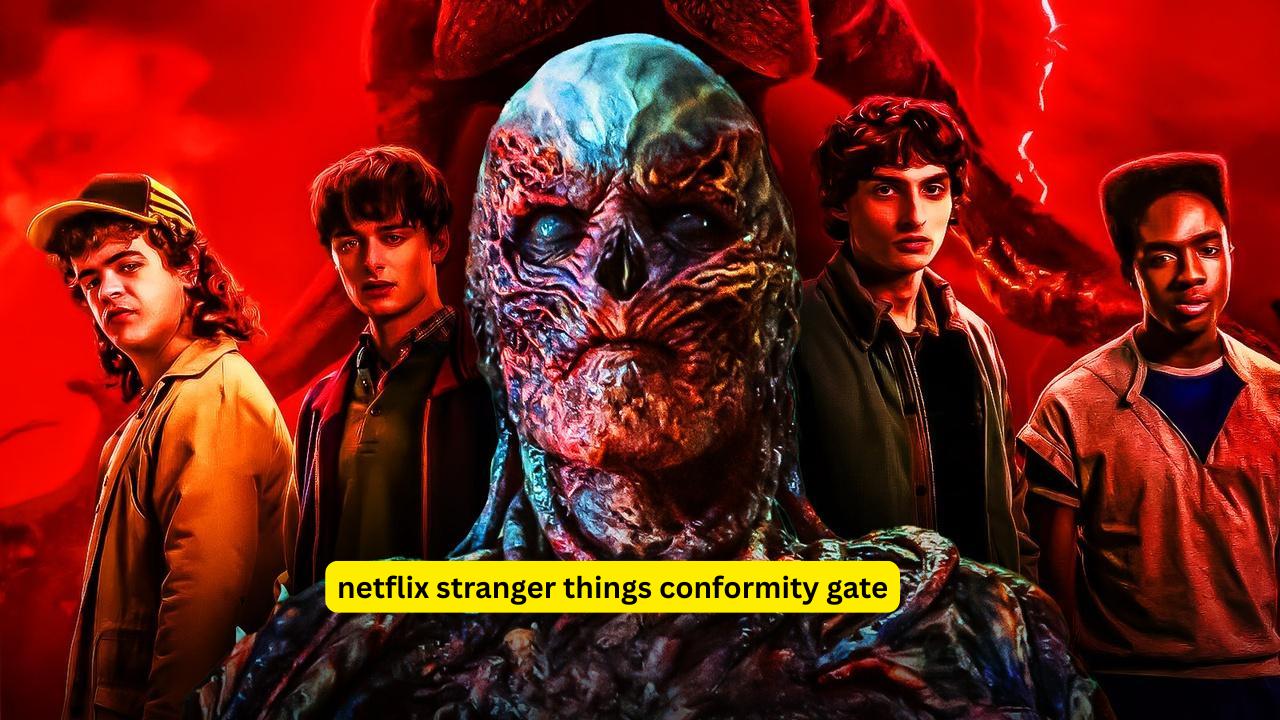
Netflix Stranger Things conformity gate has become one of the most talked-about fan theories and controversies surrounding the hit series Stranger Things. The term “conformity gate” emerged on social media and fan forums as viewers tried to interpret certain creative choices in the show’s latest season. Within the first 200 words, it’s clear that Netflix Stranger Things conformity gate isn’t a simple plot twist — it’s a debate about representation, character decisions, and what the creators intended versus what fans are interpreting.
The controversy centers around how some fans believe the latest storyline sends a message about conformity — whether characters are being pushed to abandon their identities or conform to external pressures. As Stranger Things continues to explore themes of identity, friendship, and power, the idea of a “conformity gate” has caused intense discussion about narrative meaning, character agency, and what the show is really trying to say.
In response, Netflix released an official statement addressing the Netflix Stranger Things conformity gate theory, clarifying that the storytelling decisions were intentional creative choices aimed at character development — not a directive about societal behavior.
What Is Netflix Stranger Things Conformity Gate?
Netflix Stranger Things conformity gate began as a fan theory suggesting that elements of the latest season subtly encouraged characters — and by extension viewers — to pursue conformity over individuality. The idea spread quickly because Stranger Things has always balanced normal-kid authenticity with supernatural stakes.
According to online discussions, some fans saw plot points and character arcs that felt like a push toward fitting in — rather than celebrating uniqueness — which led to heated debate.
How the Controversy Spread Online
Social media platforms quickly filled with posts, memes, and serious analyses all referencing Netflix Stranger Things conformity gate. Influencers, commentators, and casual fans alike weighed in, turning what started as speculation into a larger conversation.
Part of the appeal of the theory was how it tapped into real-world anxieties about social pressure, identity, and the fear of being different — themes that resonate far beyond the show itself.
What Netflix Said About the Conformity Gate Theory
Faced with growing chatter, Netflix and the show’s creators issued a response to the Netflix Stranger Things conformity gate theory. In official statements, they emphasized that:
-
The show never intended to promote conformity
-
Characters’ struggles are meant to highlight growth and self-discovery
-
Any thematic interpretation is up to the viewer
Creators explained that Stranger Things has always celebrated individuality, courage, and the strength of friendship — core ideas that remain intact.
Why Fans Are So Invested
Stranger Things has built its fan base on deep emotional investment in its characters. When something feels off — like a perceived push toward conformity — fans react passionately because they feel protective of the story’s core values.
The Netflix Stranger Things conformity gate debate shows just how engaged and analytical the audience has become, especially with a show that has been part of pop culture for years.
Does the Show Really Promote Conformity?
According to creative teams behind Stranger Things, no. They argue that the show’s themes still focus on bravery, loyalty, and authenticity. The so-called conformity aspects are meant to highlight character conflict — not to serve as an endorsement of “fitting in.”
Many fans who initially raised concerns have echoed this clarification after revisiting key scenes with context.
What This Means for Stranger Things Fans
The Netflix Stranger Things conformity gate controversy illustrates how deeply audiences think about storytelling, symbolism, and thematic messaging. It doesn’t diminish the show — if anything, it means viewers care enough to analyze and debate every angle.
It also shows how Stranger Things remains culturally relevant years after its debut, sparking conversations that go beyond entertainment.
Conclusion
The Netflix Stranger Things conformity gate theory captured attention because it touched on themes at the heart of the series: identity, conformity, and individuality. Even though Netflix clarified that the controversy was misunderstood fan interpretation, the debate highlights the passion of Stranger Things audiences and the depth of meaning they find in the series.
In the end, Stranger Things continues to inspire thought, emotion, and lively discussion — exactly what great storytelling should do.